
Berlin Fellowship 2026
Seventeen fellows are participating in Widen the Circle’s yearlong Berlin Fellowship, beginning with an immersive learning program in Berlin, June 4 - June 10, 2026.
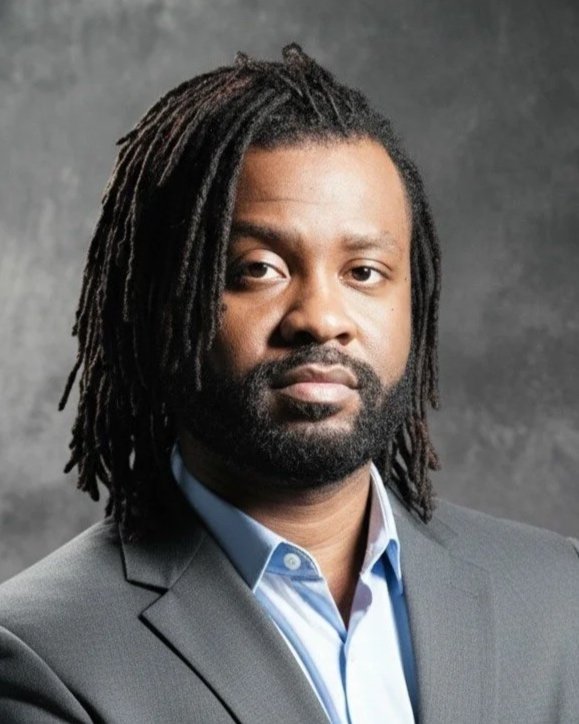
Tyrell Anderson is a photographer, storyteller, and preservation advocate based in Northwest Indiana whose work makes history visible in everyday spaces. He is the president and cofounder of Decay Devils Inc., a nonprofit dedicated to historic preservation, cultural storytelling, and creative placemaking. His photography projects, including the Unapologetic series, explore identity and collective memory while creating space for community voices and reflection. He serves on the boards of Indiana Landmarks and the National Alliance of Preservation Commissions, and works at U.S. Steel.
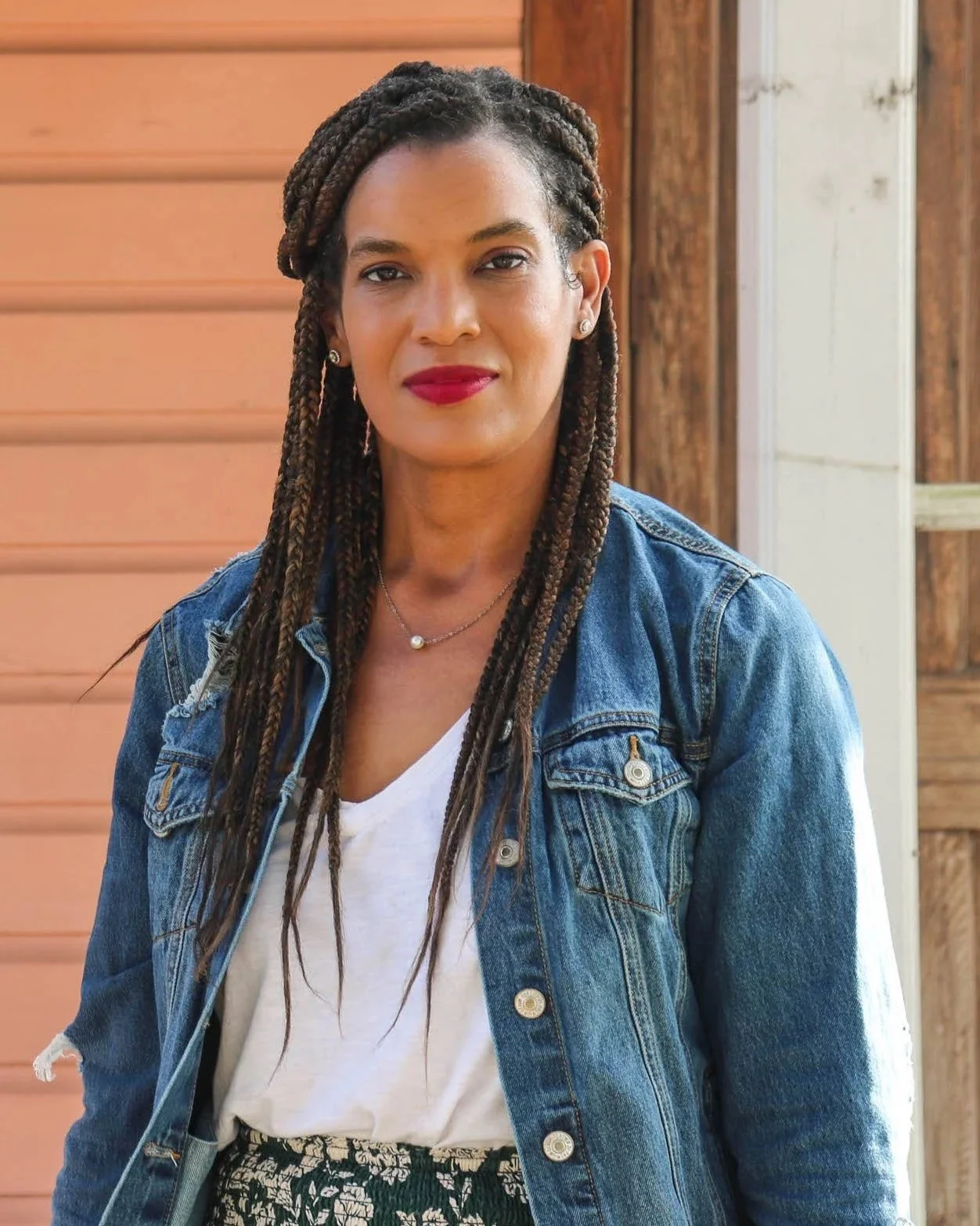
Joy Banner is cofounder and codirector of The Descendants Project, a Louisiana nonprofit committed to the liberation of the Black descendant community by dismantling the economic, environmental, and social inequities rooted in the legacies of slavery. A proud member of the local descendant community with roots traceable to the 18th century, Joy has spearheaded the acquisition of Woodland Plantation — origin site of the largest slave rebellion in U.S. history — and leads the creation of a Descendant Culture and Education District in the historic Freetown of Wallace. She has testified at the United Nations on the "Plantation to Petrochemical Plant" throughline running through Louisiana's Cancer Alley.

Tanja Berg is an educator who helps adults and organizations strengthen democracy and combat antisemitism, racism, sexism, and other forms of discrimination. She is currently head of the Department of Democracy and Civic Education at the Minor Project Office for Research and Education in Berlin. For the past decade she has also been a board member and leader of the nonprofit working to rebuild the main sanctuary of the historic Fraenkelufer Synagogue as a cultural and community center for its diverse Berlin neighborhood.
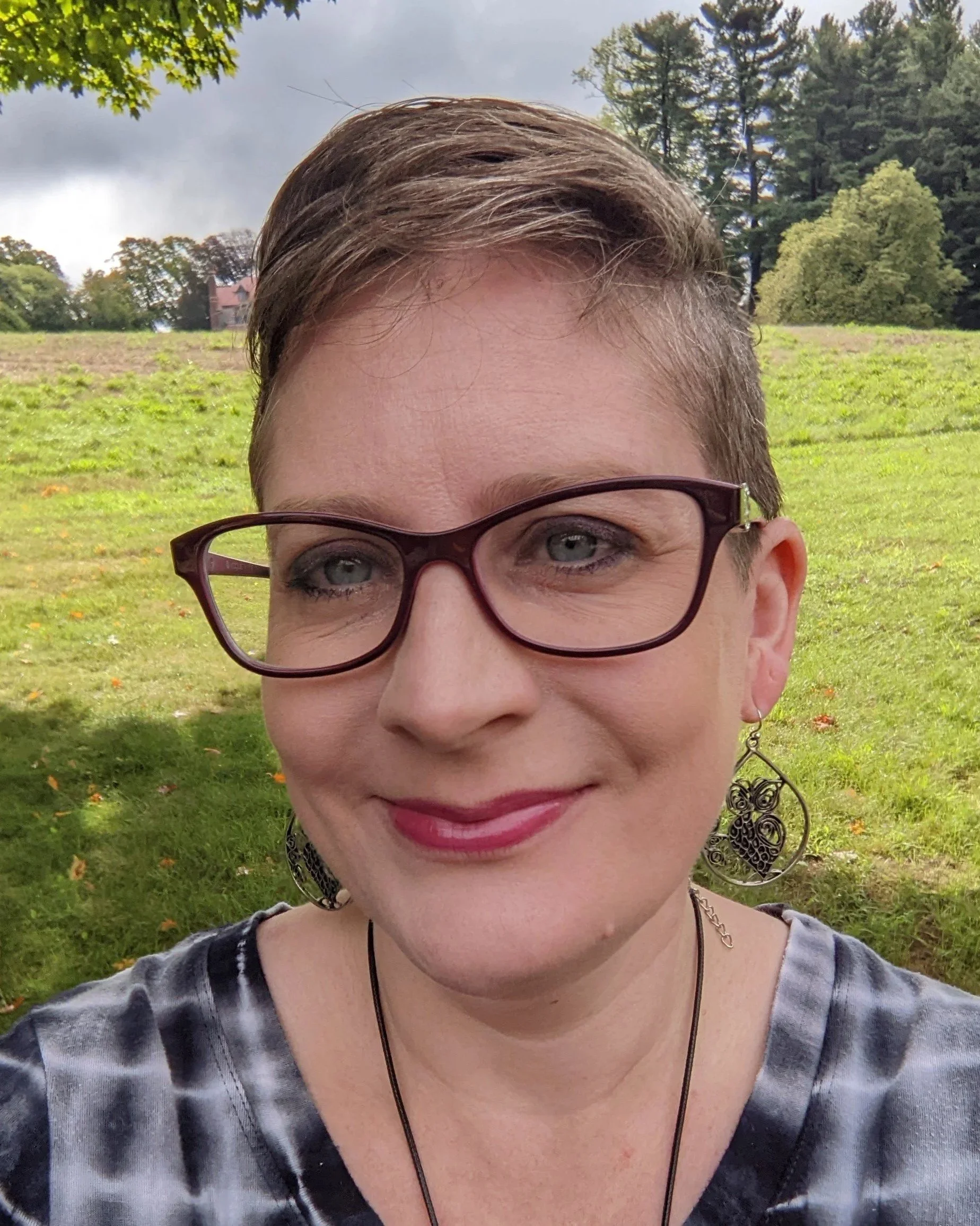
Alissa Butler is a public historian and director of the Study Center, the research branch of Historic New England, a nonprofit that owns and operates 38 house museums, farms, and landscapes. She oversees projects focused on marginalized and erased communities, most notably the organization-wide initiative Recovering New England's Voices, which brings those stories to the public. One of the projects she oversees, Stopping Stones, is a public art initiative inspired by German Stolpersteine (stumbling stones) that honors enslaved Americans by placing permanent markers where they lived and worked.
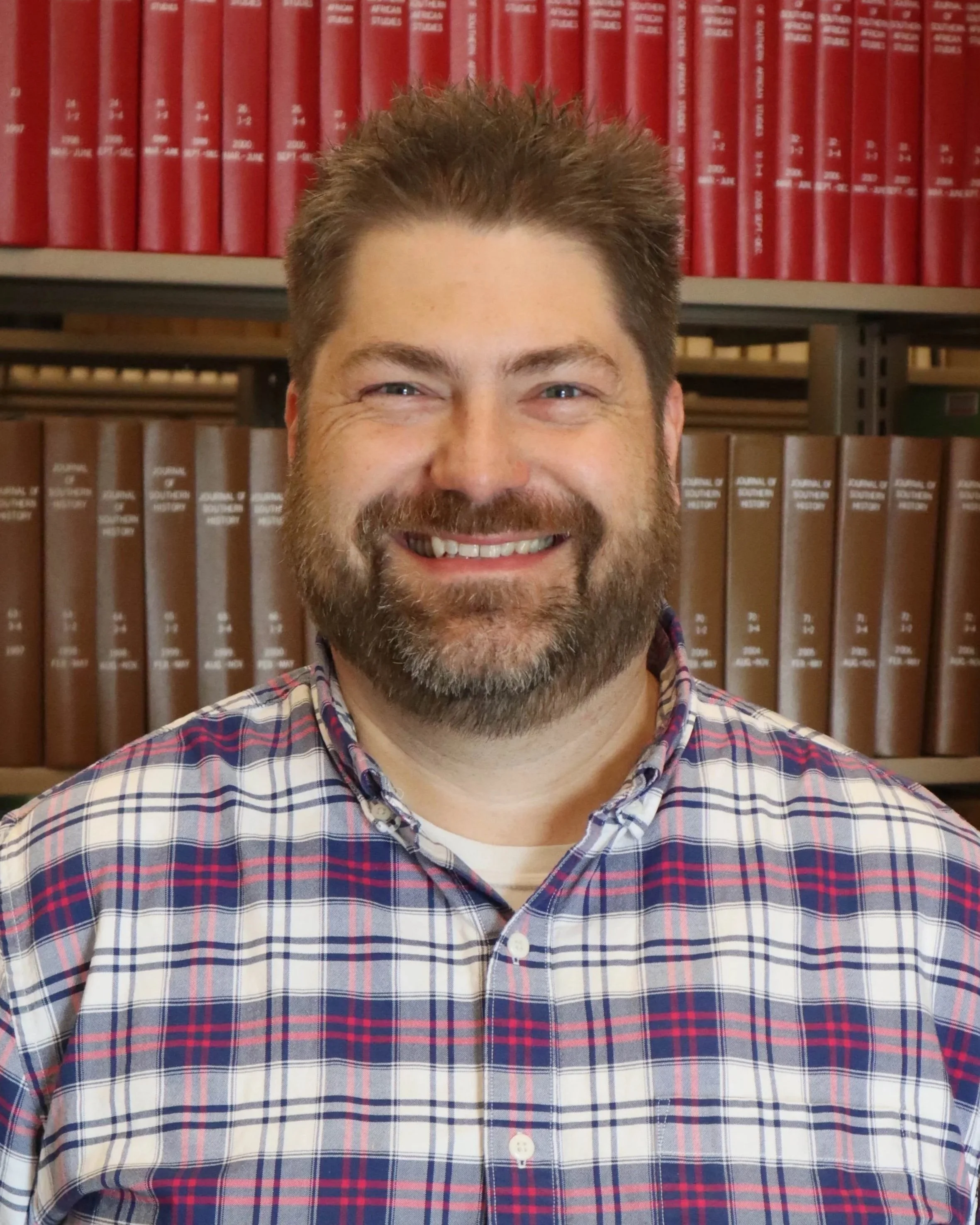
Michael Corey is a public historian and associate director of Mapping Prejudice, a project that uses historical property records to document racial housing discrimination in the U.S. Midwest. He also works on Save Our Signs, a project that mobilizes volunteers to photograph National Park Service interpretive signs before they are erased by the current administration, which has been targeting the history of slavery, Indigenous peoples, and climate change. In collaboration with descendants, he also created the Turner J. Starks History Project, commemorating the history of a family of African American entrepreneurs in Minnesota.
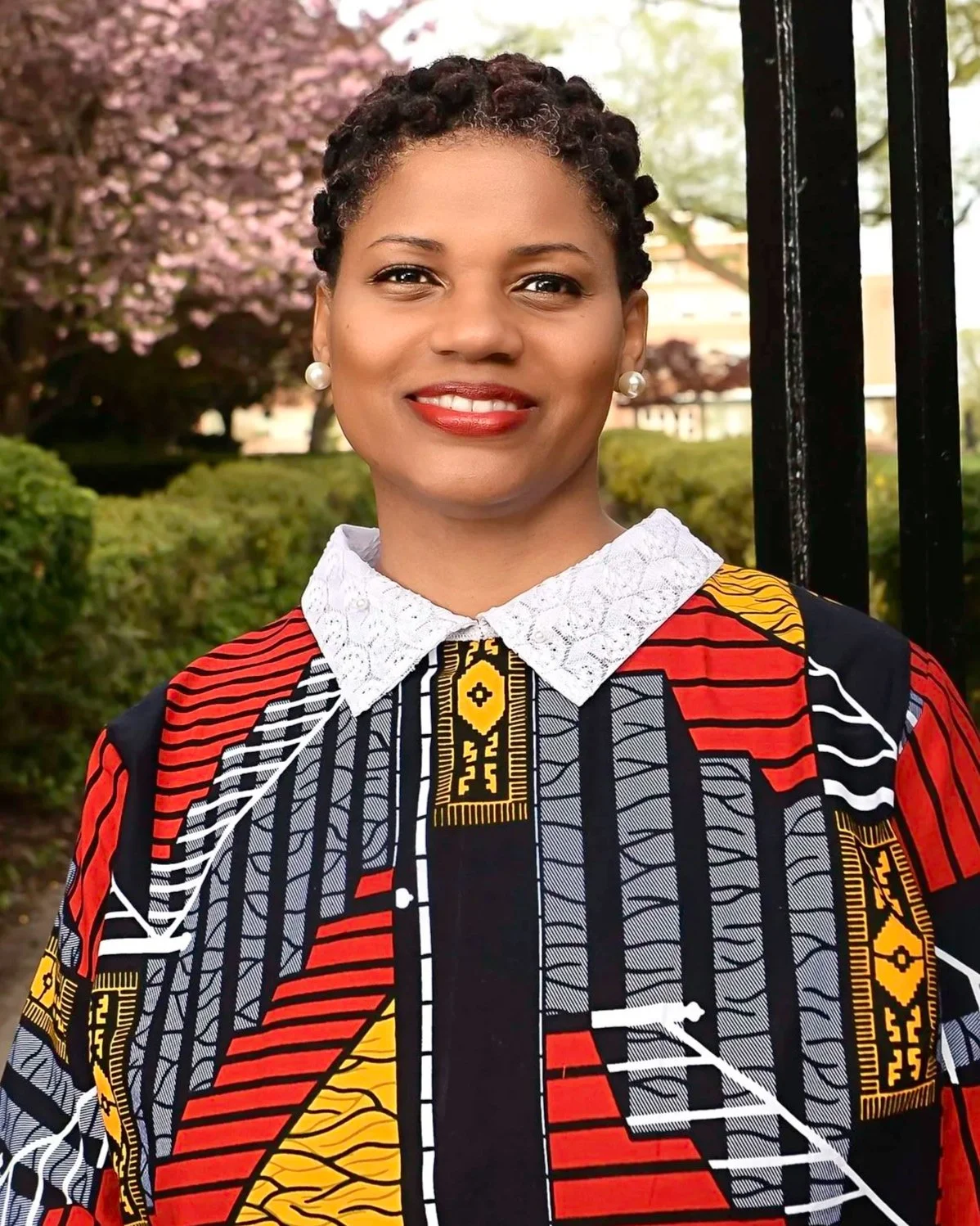
Eola Lewis Dance is a public historian, nonprofit executive, and doctoral researcher whose work centers on descendant-led memory practices and inclusive approaches to difficult histories. She is the founder of VISION Collective, which brings together communities, institutions, and cultural leaders to reimagine how history is engaged in public life. A former National Park Service superintendent, she led Fort Monroe National Monument in Hampton, Virginia, a site deeply connected to her scholarship on African Landing and the architecture of enslavement in colonial Virginia.
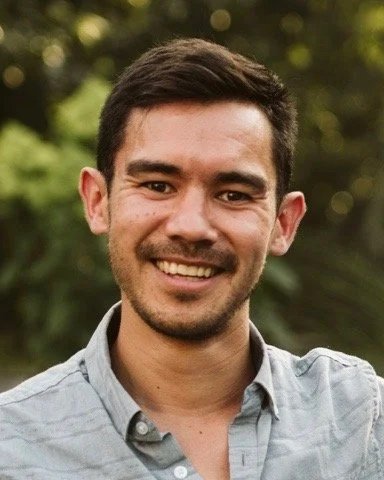
Charles FitzGibbon is a Senior Program Associate with Facing History & Ourselves, where he leads professional learning experiences for secondary school educators. A former public school social studies teacher in Queens, New York, he began his career in education as a Peace Corps Volunteer in Sierra Leone. Charles is also a social worker, and considers it a privilege to accompany people on their journeys toward healing — creating spaces that empower people to reflect critically on their own stories and learn from the world around them.
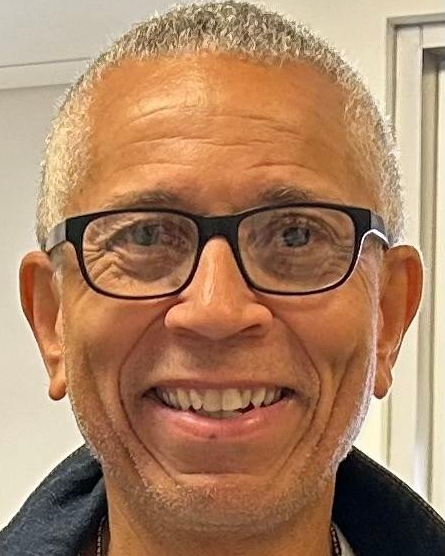
Vincent Hall was born and raised in Montgomery, Alabama, and returned to the city six years ago to dedicate himself to historic preservation, community engagement, and community empowerment. He is currently leading the restoration of the Ben Moore Hotel, a landmark in Montgomery’s historic African American neighborhood that served as a strategic headquarters for Dr. Martin Luther King Jr. and other civil rights leaders during the Montgomery Bus Boycott. Through this and other local projects, Vincent helps communities shape their own narratives — drawing on stories of truth and resilience to build a sustainable foundation for the future.
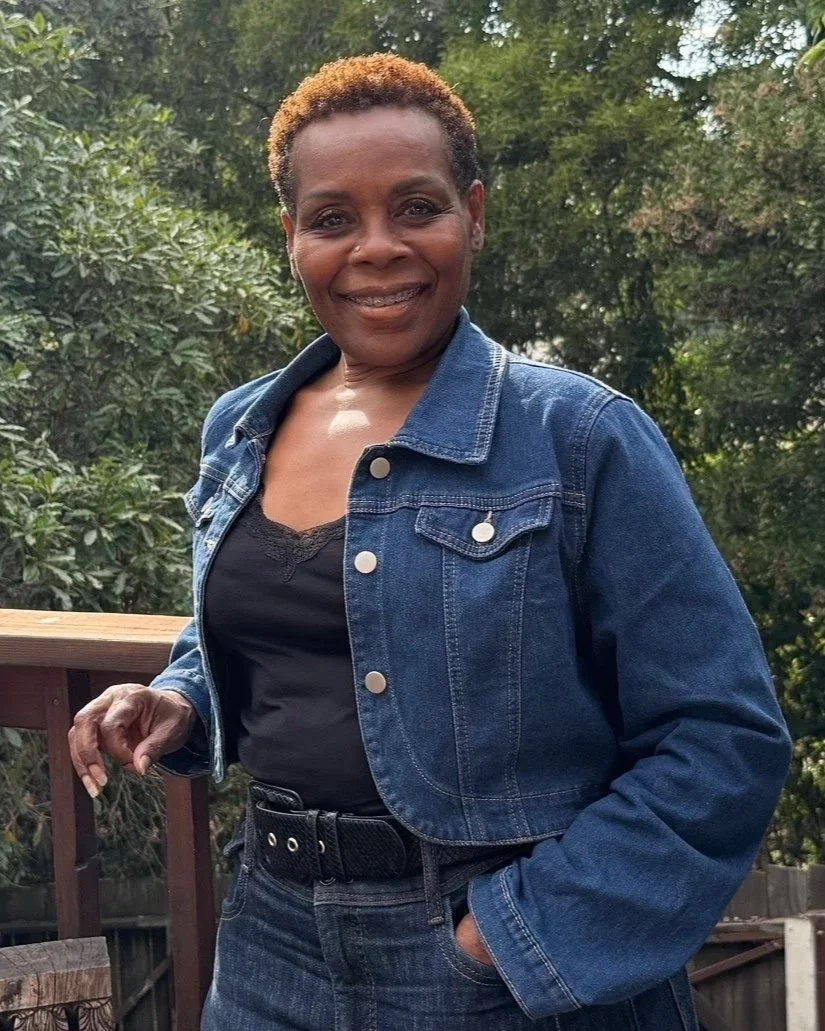
Awele Makeba (ah-WAY-lay) is a storyteller, oral historian, restorative genealogist, and artist for social change who uses personal narrative, folklore, rap, and restorative story circles to build community through dialogue about our common humanity. She is House Meeting Coordinator for ReparationGeneration.org and producer of the MLK Oratorical, featured in the HBO Emmy Award–winning documentary We Are the Dream: The Kids of the MLK Oratorical. Her work consistently centers the silenced and forgotten witnesses of history as a catalyst for conversations about race, dignity, and the Beloved Community.
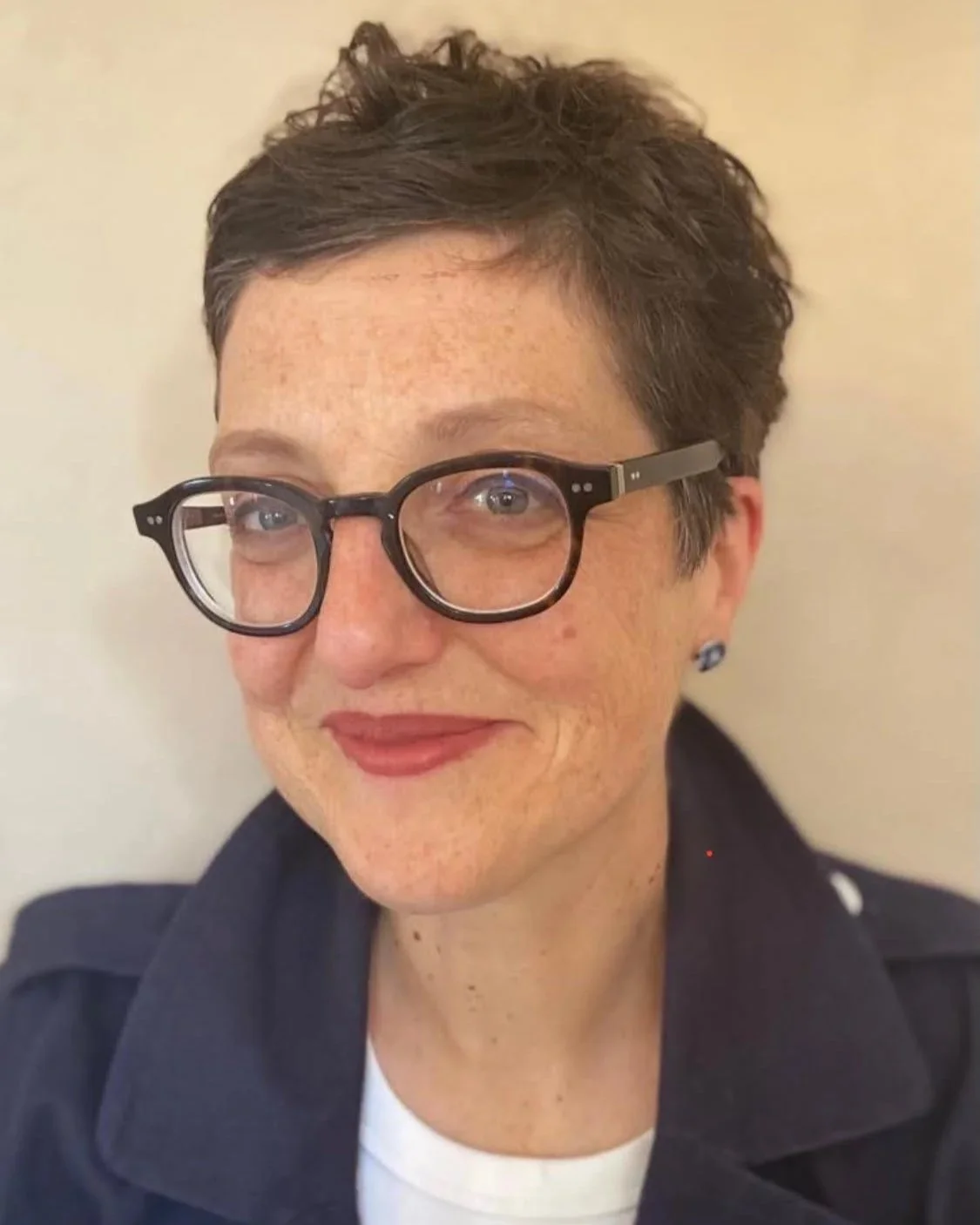
Nicole Nocon is a German journalist, educator, and co-founder of generationE, an organization dedicated to Holocaust remembrance and education. After nearly two decades as a newspaper journalist, she helped bring The Butterfly Project, a US-founded Holocaust remembrance initiative, to Germany in 2018 and now coordinates its work across Europe. She also collaborates with an Israeli researcher to document the lives of child victims. Through generationE, she leads educational programs on Holocaust remembrance, antisemitism, and human rights, and has partnered with the USC Shoah Foundation to conduct survivor interviews and create Germany's first IWalk.
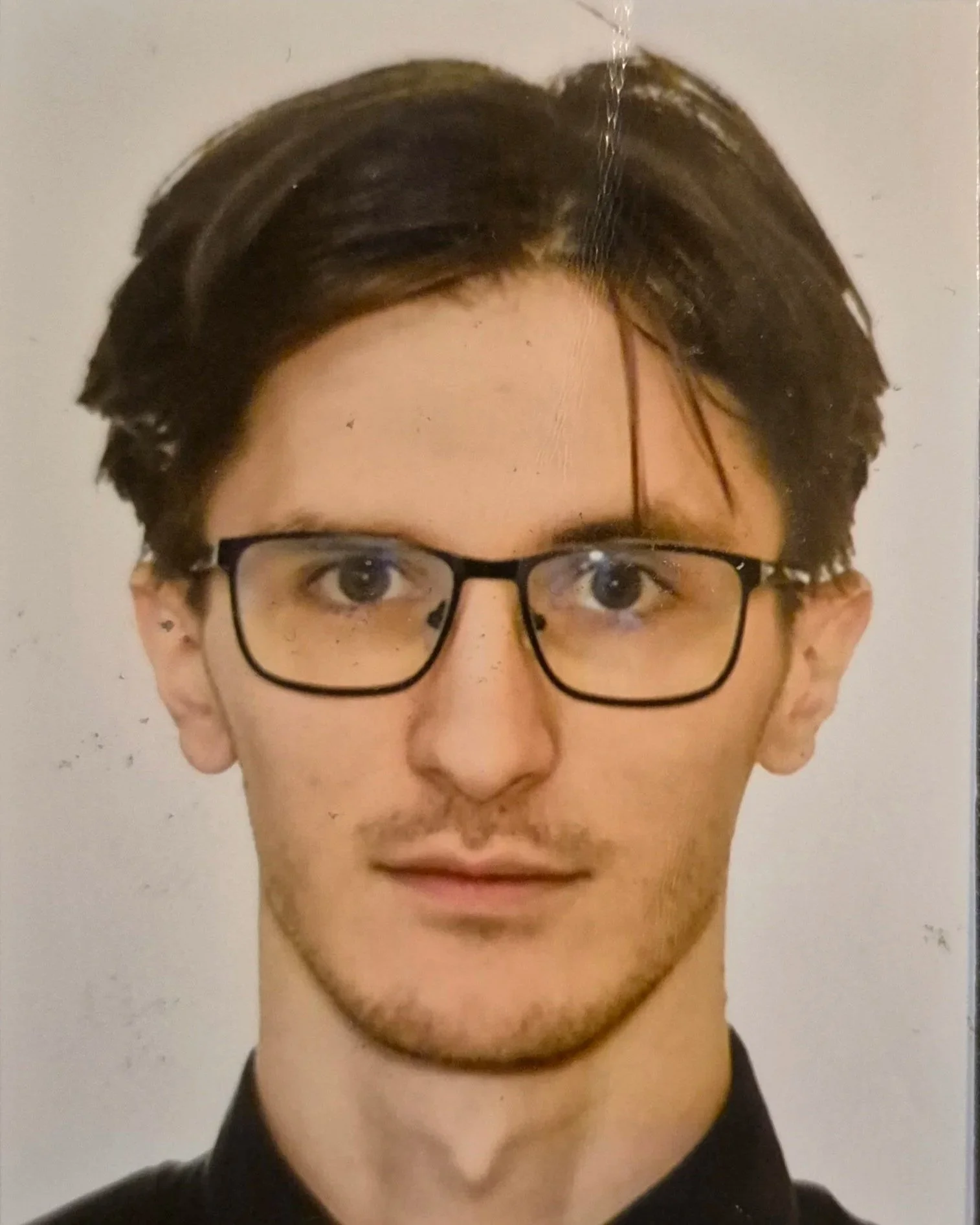
Francis-Romeo Reich is a cultural historian and literary scholar based in Weimar, Germany, specializing in Jewish cultural history and the memory of the Nazis. He works as a staff member at the Museum of Forced Labor under National Socialism and the Buchenwald concentration camp memorial site, where he leads public history initiatives on Nazi-era memory culture. His 2025 monograph examines cultural expression among prisoners at a Nazi forced labor camp. Reich combines academic research, archival work, and civic engagement to foster dialogical and intergenerational approaches to remembrance.
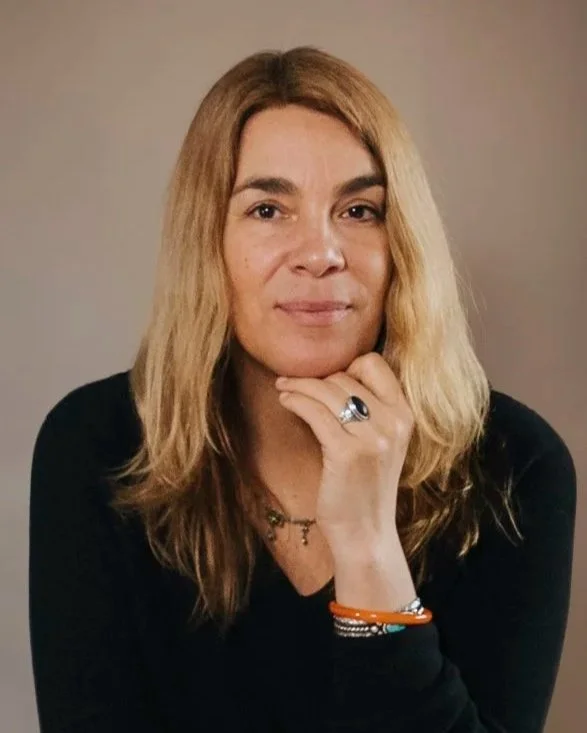
Marie Rolshoven is a Berlin-based cultural scientist, artist, and winner of a 2024 Obermayer Award. She is the founder and director of Denkmal am Ort (“Think About This Place”), a project in which residents of Berlin, Hamburg, Munich, Frankfurt, and other German cities open their homes once a year to share stories about people who once lived there: Jews and others persecuted by the Nazis, or members of the resistance. The project began with stories told at Marie's own apartment. She also serves as an educational consultant for the Silent Heroes Memorial Center in Berlin.
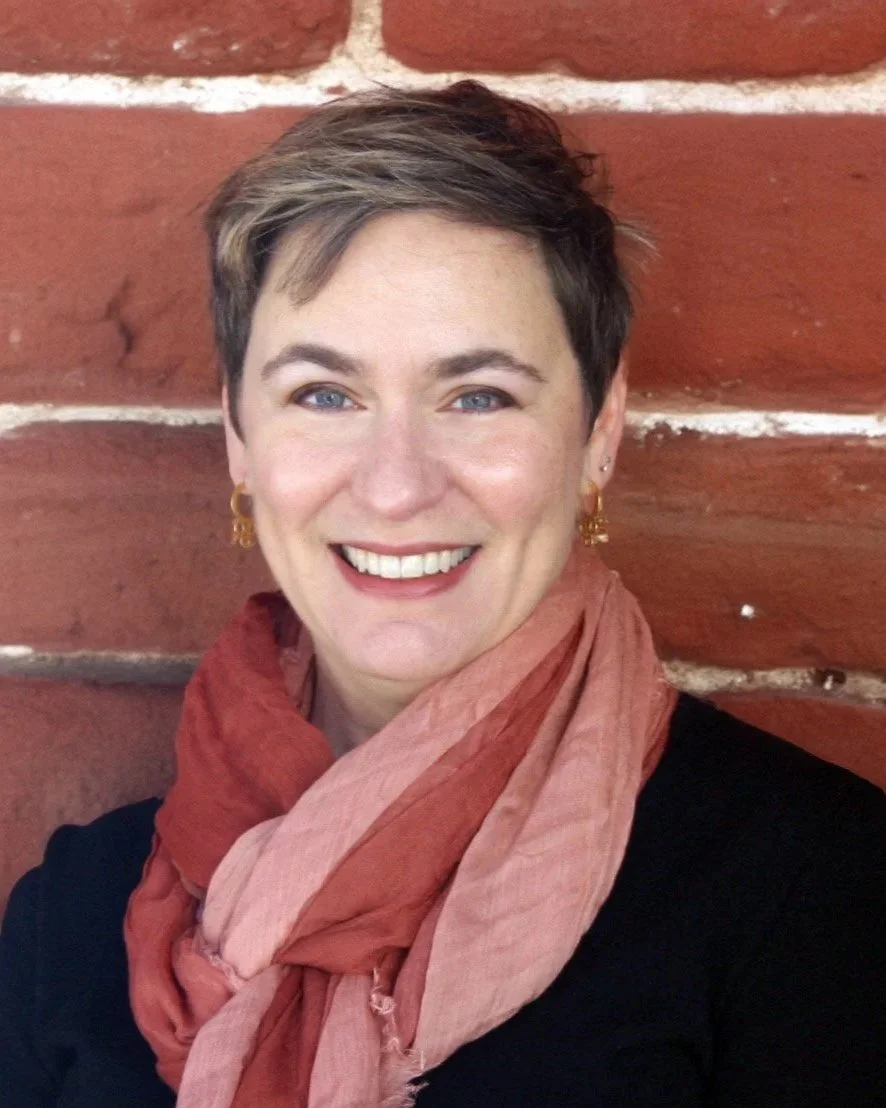
Judith Rosenbaum is CEO of the Jewish Women’s Archive, a pioneering national organization that documents Jewish women’s stories, elevates their voices, and inspires them to be agents of change. She served for nearly a decade as JWA’s director of public history and director of education before becoming CEO, developing its major programs and educational initiatives. An educator, historian, and writer, Judith publishes widely in both academic and popular outlets on Jewish and women’s history, and has served on the faculty of the Bronfman Youth Fellowships.
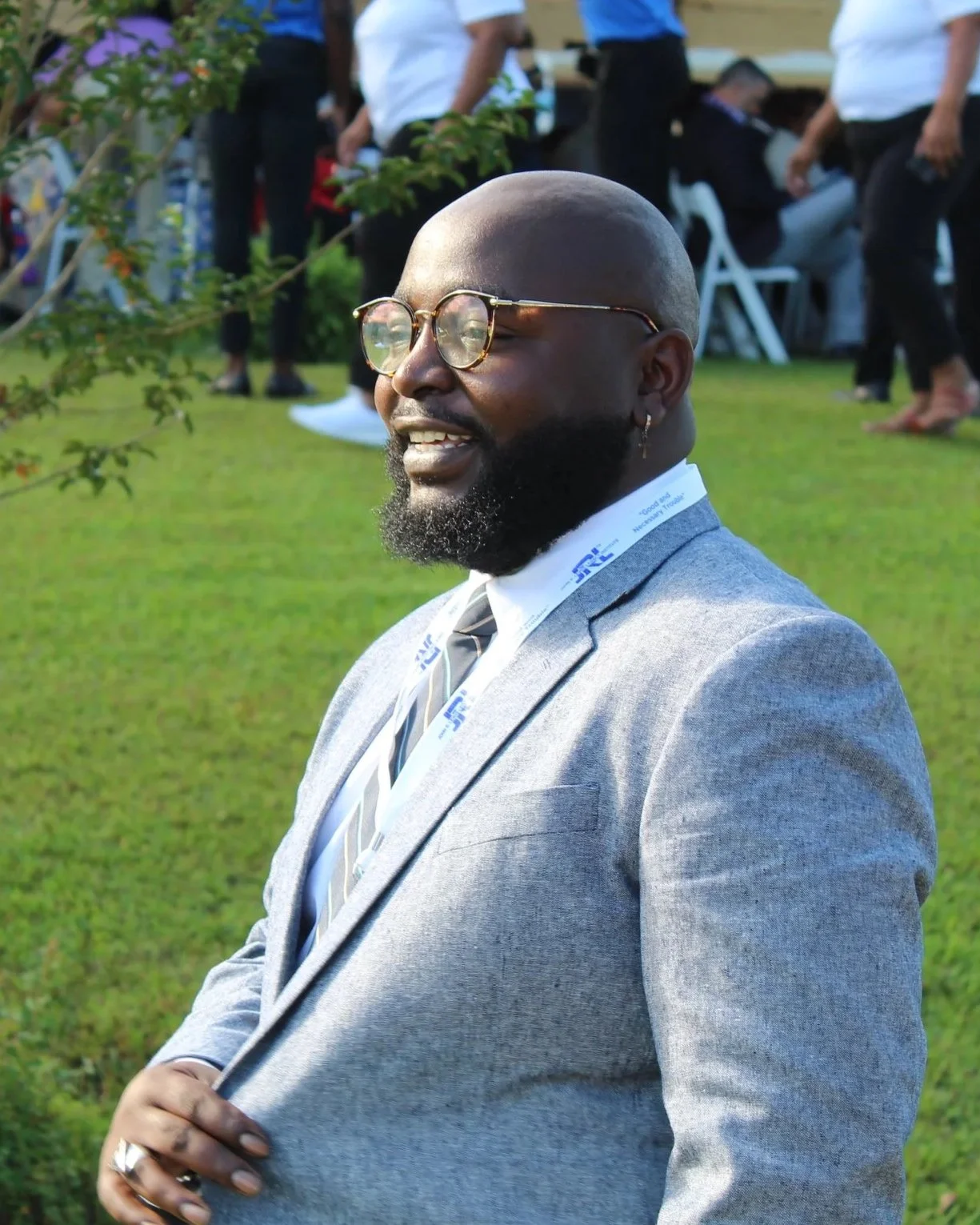
Richard Trammell Jr. is from Lanett, Alabama, and has spent the past decade researching and preserving the history of rural Alabama, particularly throughout the Black Belt. He is Education Curator at the Alabama Department of Archives and History, where he coordinates school tours and blends historical research with his background in theater to help visitors engage with difficult and often overlooked aspects of the state's past. Richard is also co-writer and co-director of two theatrical works that draw on Alabama history, and founded The FIFTY FUND, a nonprofit serving underserved communities across the Black Belt.
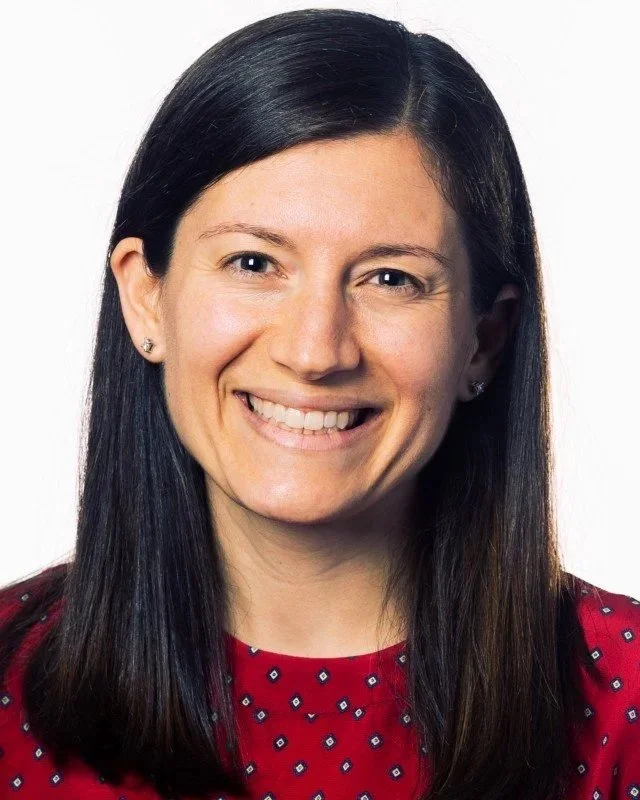
Jenna Weinberg has spent her career at the intersection of bridge-building, social justice, and democracy defense. She is co-founder and co-director of Overcoming the Wedge, an initiative with civil rights leader Eric K. Ward focused on defeating identity-based divisions and rebuilding solidarity to resist authoritarianism and advance democracy. She serves on the board of the New Israel Fund and is Founding Board Chair of Abrahamic House, a residential interfaith fellowship building a multi-faith, multicultural community in Washington, DC.
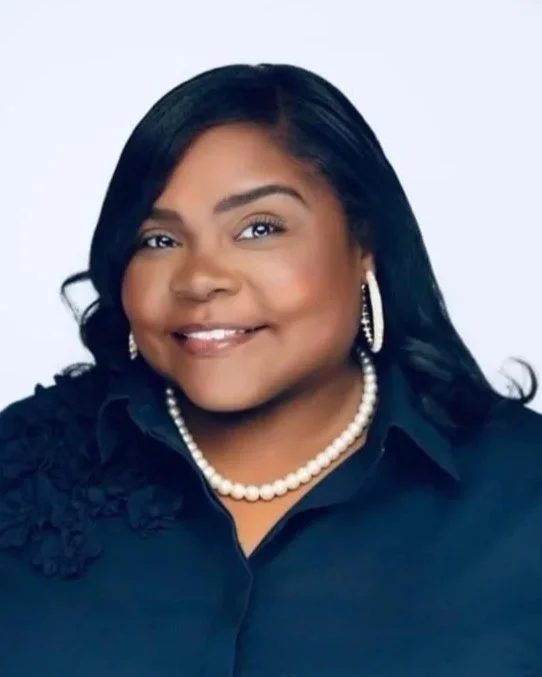
Kristi Williams is a descendant of a survivor of the 1921 Tulsa Race Massacre and a Creek Freedman descendant. She is the founder of Black History Saturdays, a pioneering institution in North Tulsa that teaches African American history to members of the community from ages 5 to 85, and has created a library of banned books. Kristi chairs the City of Tulsa's Beyond Apology Commission, which is working to enact reparations for those impacted by the massacre, and in 2024 won a Wayfinder Award from the National Geographic Society.
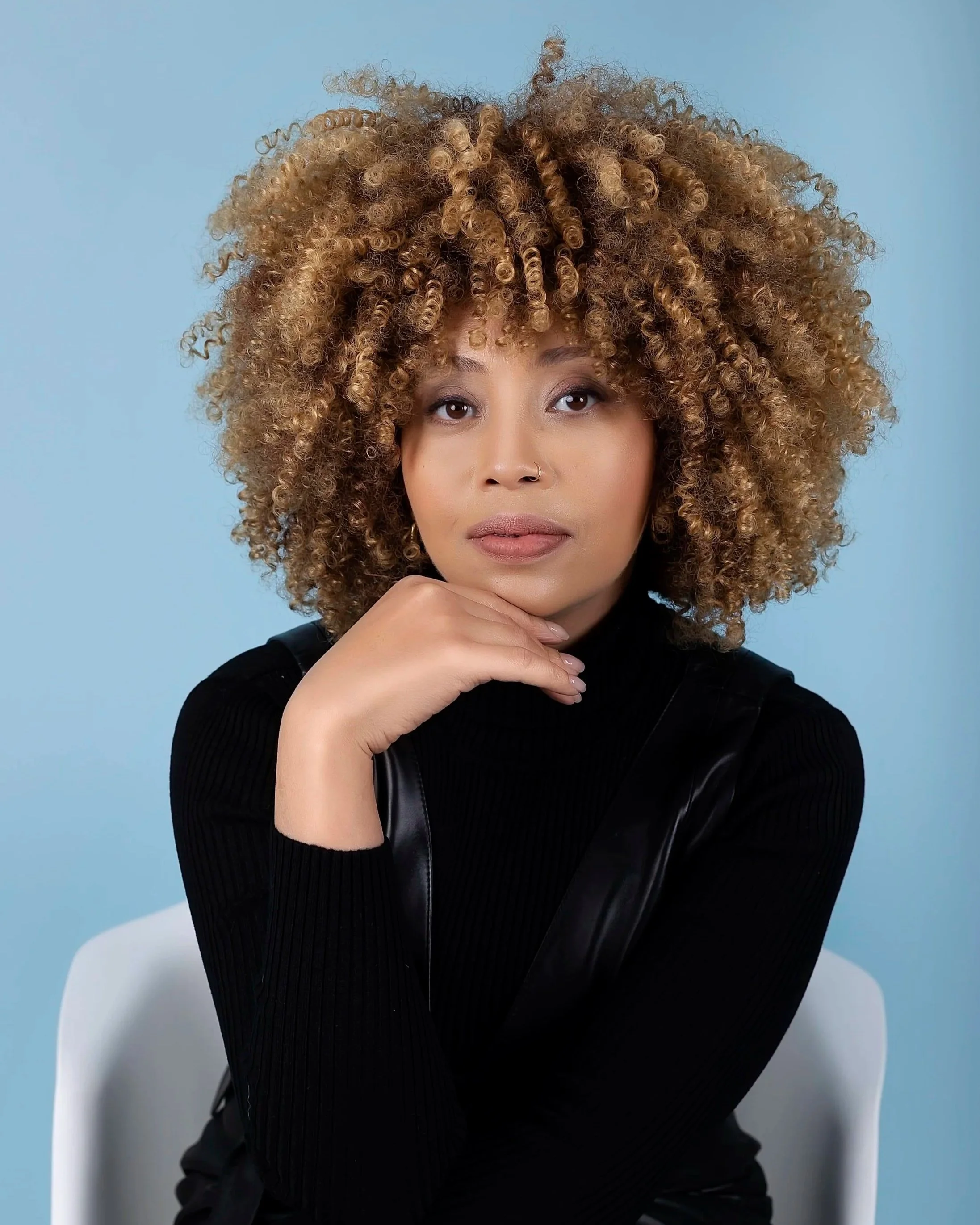
Emma Willis is the founder of Impact Period, a firm specializing in the strategic preservation of cultural heritage through a community-centered lens. Formerly an executive managing $1 billion in assets, Emma transitioned into the preservation space to apply her expertise in financial management and operational leadership to the work of remembrance. She recently led an effort to establish a historic district in Fayetteville and is currently directing preservation efforts for Historic Vernon AME Church in Tulsa, a landmark survivor of the 1921 Race Massacre.